Star Wars Collectibles: Darth Vader Mint #1977 Sells for $25,000
Star Wars Collectibles: Darth Vader Mint #1977 Sells for $25,000
From screen-used lightsabers to 1977 trading cards, Star Wars collectibles have generated some extraordinary headlines in recent years.
Now, another significant collector moment has taken place. This time, it happened digitally.
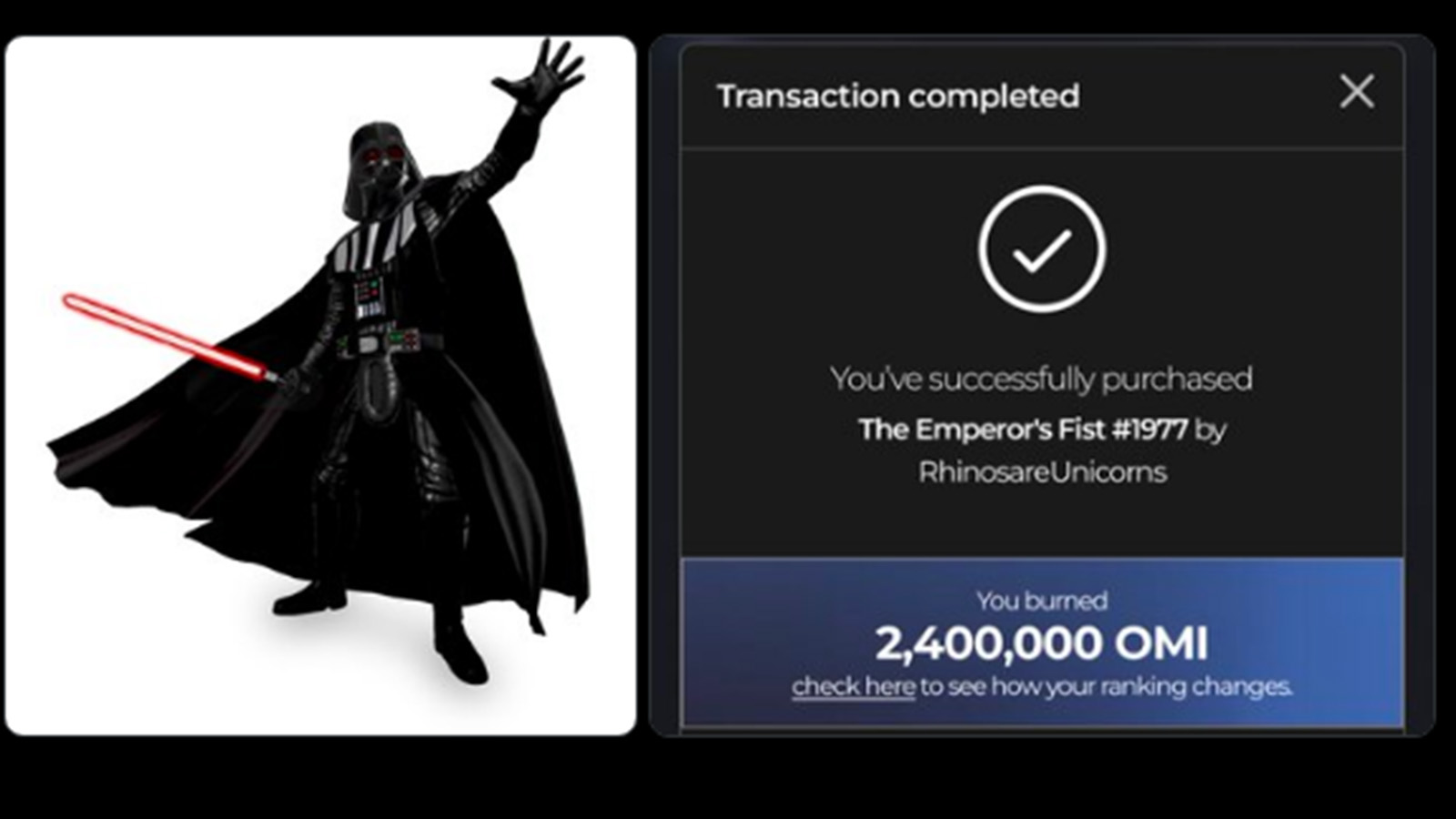
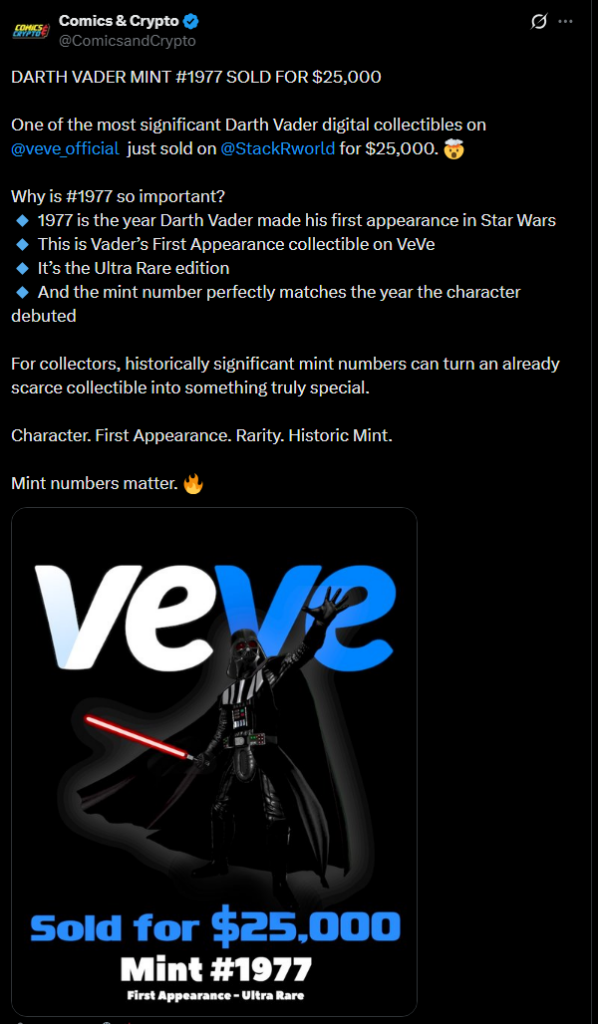
A VeVe Darth Vader First Appearance digital collectible, mint #1977, recently traded for $25,000 on StackR.
And for the collector who chased it, the number was everything.
“After a very long chase, he’s finally home!” the collector wrote after completing the trade.
That sentiment gets to the heart of why this particular Darth Vader matters.
1977 is the year Star Wars first arrived in theaters and Darth Vader became one of the most recognizable villains in the history of fiction. Nearly 50 years later, one collector sought out the VeVe mint carrying that exact number.
Why This Darth Vader Collectible Is Significant
The digital collectible is The Emperor’s Fist, part of VeVe’s first Darth Vader series released on May 29, 2022.
It carries VeVe’s First Appearance designation for Darth Vader. The Emperor’s Fist is the Ultra Rare version, with 5,977 editions originally created. It depicts Vader with his lightsaber drawn and includes an animated Force choke.
Then there is the mint. #1977.
The collector who acquired it described the piece as potentially, “…the most valuable and important grail on VeVe.”
That is one collector’s perspective, but the reasoning behind it is easy to understand.
Darth Vader is one of the defining characters in modern popular culture. This is his First Appearance digital collectible on VeVe. It is Ultra Rare. It is animated. It can be posed with and placed in augmented reality. And its mint number matches the year audiences first encountered him.
For one collector, those details mattered.
Record Sales Keep Star Wars Collectibles in the Spotlight
The $25,000 trade is not a record sale for Star Wars collectibles, but it belongs to a much larger collecting story.
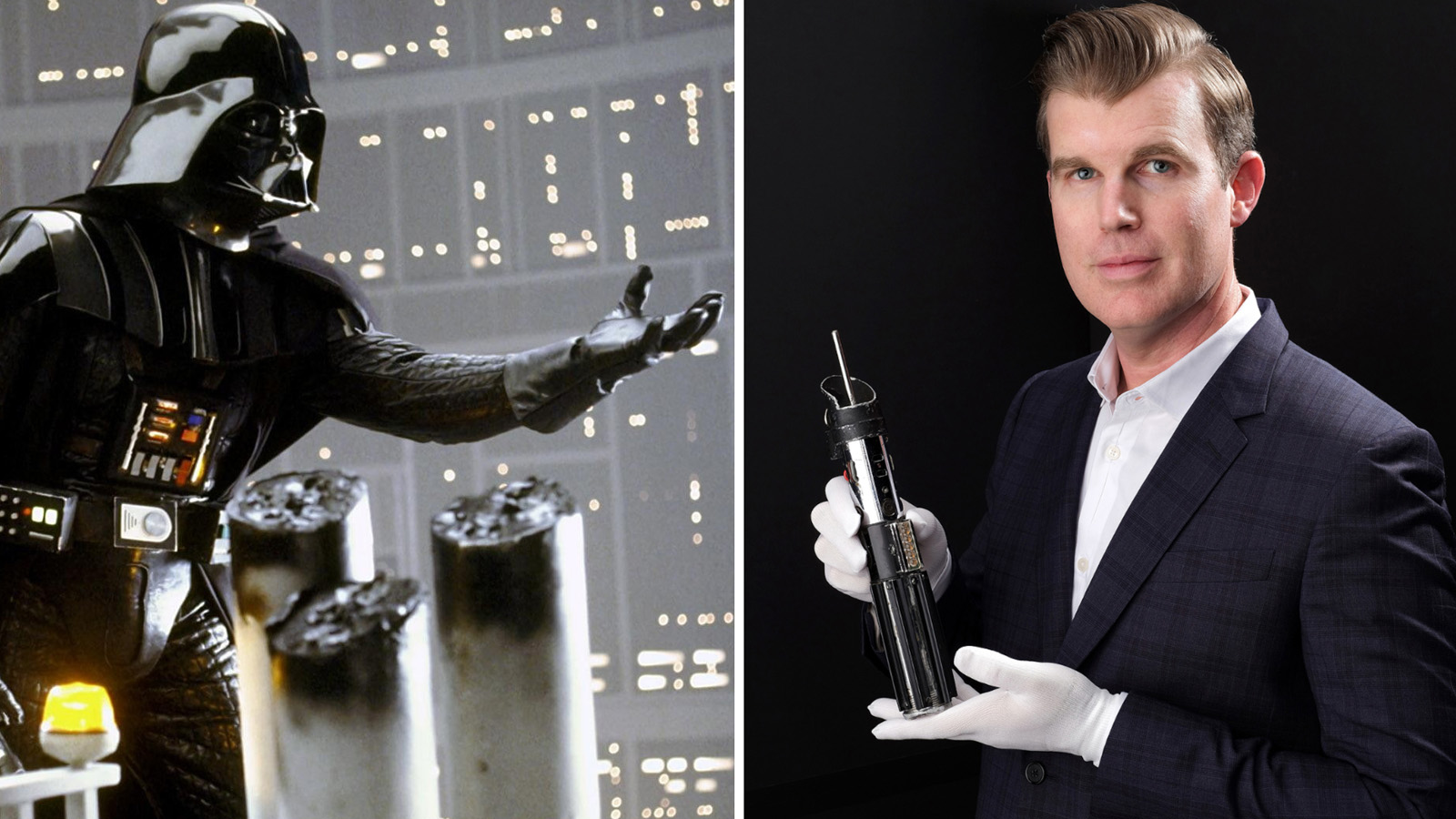
In September 2025, Darth Vader’s screen-used lightsaber from The Empire Strikes Back and Return of the Jedi sold for $3.654 million at Propstore. It became the highest-priced Star Wars artifact sold at auction at the time.
A few months later, a PSA 10 example of the 1977 Topps Luke Skywalker #1 trading card sold for $268,400. That result established another record within the Star Wars trading card market.
Those pieces could hardly be more different.
One is a screen-used movie prop. Another is a vintage trading card. Mint #1977 is a digital collectible.
Yet the collector instincts behind them overlap.
Rarity matters. History matters. Provenance matters. Condition can matter. And sometimes one small identifying detail becomes the reason a collector wants one particular example instead of another.
From Auction Houses to a 24/7 Digital Market
Many of the biggest headlines around Star Wars collectibles begin with an auction catalogue.
A major artifact is consigned. An auction date is announced. Collectors register. Then the bidding begins.
Digital collecting works on a different clock.
VeVe’s global secondary market is accessible around the clock, giving collectors a way to find digital collectibles already in circulation without waiting for a scheduled auction. And StackR extends that experience through OMI.
The Darth Vader #1977 trade was completed for 2.4 million OMI, valued at approximately $25,000 at the time of the trade.
There was no packed auction room. No evening sale. No months-long auction campaign built around the collectible.
Instead, one collector had spent a long time looking for a very specific Darth Vader. When the opportunity appeared, the trade happened.
That difference matters because it shows how the market for digital Star Wars collectibles can function continuously and globally, while still being driven by many of the same motivations that have shaped collecting for generations.
Why Mint Numbers Matter to Collectors
Collectors rarely see two examples of something as completely interchangeable.
With trading cards, collectors examine grades, print variations, centering, and production history. Props can carry different levels of importance depending on where and how they appeared on screen. Action figures can develop entire collecting cultures around packaging differences and manufacturing variations.
Digital collectible mint numbers create another characteristic to chase.
Some collectors seek the lowest numbers possible. Others chase repeating numbers, patterns, or numbers with personal significance. Then there are historical mints.
For Darth Vader, mint #1977 points directly to where the story began.
That does not mean every collector would place the same significance on it. Collecting has never worked that way. The important part is that one collector did. Enough to chase it. Enough to call it a grail. Enough to trade approximately $25,000 worth of OMI for that specific mint.
That is what gives the number its story.
Star Wars Collecting Is Bigger Than One Format
Cards did not replace action figures. High-end props did not replace cards. Digital collectibles won’t replace either.
What digital collectibles will continue to do is give collectors another place to look for meaning, an easier and safer way to trade, and the ability to have their entire comic and collectible collections in their pockets wherever they go.
The continuing strength of Star Wars collectibles shows a fandom comfortable collecting across formats. A screen-used lightsaber can command millions. A pristine card from 1977 can set a six-figure record. A digital Darth Vader carrying the year the character debuted can trade for $25,000.
The formats are different, but the collector instinct is not.
Find the piece that means something. Chase it. And when you finally find it, bring it home. And if it happens to be a piece on VeVe, play with it. Display it in AR. Put it in your digital showrooms.