Star Wars and Samurai: How Japan’s Edo Period Inspired the Galaxy
This article is an editorial piece created by VeVe and is not affiliated with, endorsed, or approved by Lucasfilm or any licensors or partners. The views expressed are solely those of VeVe and do not reflect those of any licensors or rights holders.
The Star Wars samurai connection is one of the most interesting parts of the franchise once you start noticing it. Star Wars may be set in a galaxy full of starships, droids, lightsabers, and alien worlds, but a lot of its style feels much older. You can see it in Darth Vader’s armor, the Jedi robes, the sword-like lightsaber duels, and the idea of warriors being guided by discipline, loyalty, temptation, and personal choice.

That is what makes the connection so powerful. Star Wars does not feel like pure science fiction. It feels like a mix of the futuristic and the ancient. A character can be flying through hyperspace one minute and facing a moral test that feels like something from an old warrior legend the next. Samurai imagery helps give the galaxy that sense of history.
To understand why this influence works so well, it helps to look at Japan’s Edo period, a time when the samurai became more than battlefield fighters. They became symbols of status, discipline, authority, and cultural identity.
Why Star Wars and Samurai Fit So Well Together
The link between Star Wars and samurai is not just about costumes. It is also about storytelling.
The Jedi and Sith are not literally samurai, but they carry a similar dramatic weight. They use weapons that feel ceremonial, not just practical. Their robes, armor, and posture tell us something about who they are before they even speak. Their fights are rarely just physical battles. Most lightsaber duels are also emotional or spiritual conflicts.
That is one reason the samurai influence still feels so natural in Star Wars. The franchise is full of young warriors learning from older masters, fallen heroes struggling with power, and characters caught between duty and desire. Those themes fit easily beside the traditions of samurai cinema, especially the films of Akira Kurosawa, whose work had a major influence on George Lucas and the shape of Star Wars.
The Edo Period and the Changing Role of the Samurai
The Edo period, also called the Tokugawa period, lasted from 1603 to 1867. It was a long era of relative peace, political stability, and social order under the Tokugawa shogunate.
Before this period, samurai were closely tied to warfare and service to powerful lords known as daimyo. But as large-scale conflict became less common, many samurai took on different roles. They became officials, administrators, scholars, and retainers. Their swords still mattered, but not only as weapons. They represented rank, identity, and social position.
This shift is important because it shows why the image of the samurai lasted beyond the battlefield. The armor, helmet, sword, and family crest became symbols of something larger than combat. They represented legacy, discipline, and authority.
That is exactly the kind of visual language Star Wars uses so well. A costume or silhouette can tell the audience who someone is before the story explains it.
Samurai Armor and the Power of Silhouette
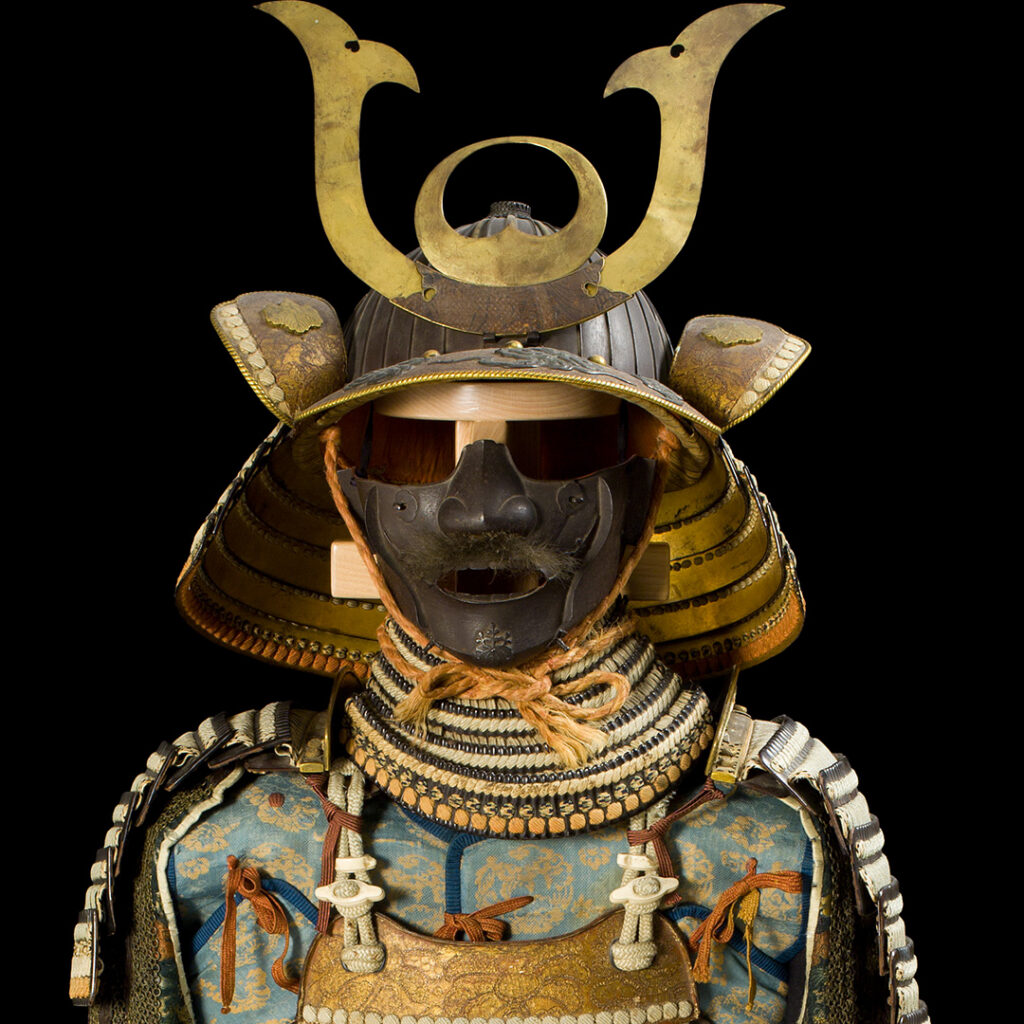
Samurai armor was practical, but it was also designed to make an impression. A helmet could show rank or personality. A face mask could make a warrior seem more intimidating. A crest could connect someone to a family or clan. The full silhouette could turn a person into an image of power.
That idea is everywhere in Star Wars. The franchise uses silhouettes better than almost any other film series. You can recognize Darth Vader, Boba Fett, a stormtrooper, or a Jedi from their outline alone. Their design tells a story immediately.
That is why the samurai comparison works so well. In both cases, armor is not just protection. It is identity.
Darth Vader and Samurai-Inspired Design
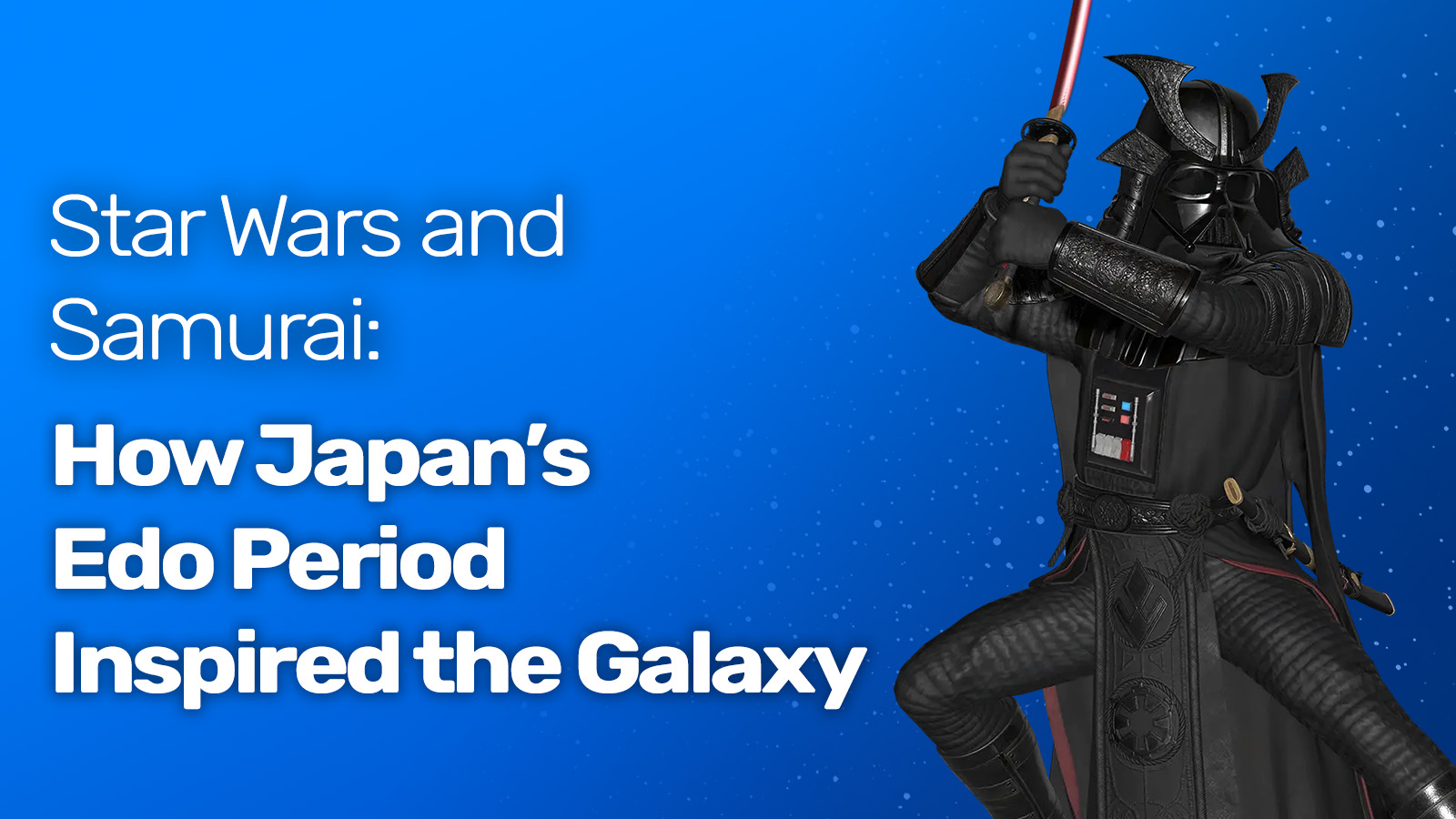
Darth Vader is the clearest example of samurai-inspired imagery in Star Wars. His black helmet, mask, armor, cape-like shape, and slow, controlled movements give him the presence of an armored warrior from another age.
What makes Vader so effective is that he feels both futuristic and ancient at the same time. He is surrounded by machines, starships, and Imperial technology, but his design feels ritualistic. His helmet hides his face. His breathing separates him from everyone else. His armor turns him into a symbol before we fully understand the man underneath.
It is important not to say Darth Vader came from one single source. His design blends science fiction, military imagery, fantasy, and samurai-like elements. But the samurai influence is hard to miss. Like a warrior in full armor, Vader’s power comes from his silhouette, his stillness, and the fear he creates before he even acts.
Date Masamune and the Warrior Image
One historical figure often brought into this conversation is Date Masamune, the famous Japanese warlord known as the “One-Eyed Dragon.” Masamune rose during Japan’s age of civil war and later became an important figure in the early Edo period.
His armor, especially his crescent-moon helmet, remains one of the most memorable images in samurai history. That is why people often compare him to Darth Vader. The point is not that Vader is a direct copy of Masamune. It is more that both figures show how a helmet, mask, and strong silhouette can turn a warrior into an icon.
That is a big part of what makes Vader so unforgettable. You do not need to know his full story to feel his presence. The design does a lot of the storytelling before the dialogue even begins.
The Jedi, the Sith, and Samurai Storytelling
The samurai influence is not only visible in Darth Vader. It also appears in the Jedi and Sith.
The Jedi often feel like wandering warrior-monks. They follow a code, train apprentices, carry a special weapon, and are expected to control their emotions. The Sith are like the dark reflection of that idea. They also value power, training, and legacy, but they are driven by anger, ambition, and domination.
This is why lightsaber duels feel different from normal action scenes. They are not just fights to see who is stronger. They usually reveal something about the characters. Obi-Wan vs. Anakin is about betrayal and grief. Luke vs. Vader is about fear, family, and redemption. Rey vs. Kylo Ren is about identity and temptation.
That emotional weight is part of what connects Star Wars to older warrior stories.
Why the Samurai Influence Still Matters
The reason the Star Wars samurai connection still matters is because it gives the franchise depth. It makes the galaxy feel older than its technology. The ships and droids make Star Wars exciting, but the older themes make it meaningful.
Honor, loyalty, fear, temptation, legacy, and redemption are not futuristic ideas. They are timeless ones. Samurai imagery helps bring those ideas to the surface. It turns costumes into symbols and duels into moments of destiny.
Samurai Darth Vader Collectibles for Sale on VeVe
The samurai influence behind Darth Vader’s design is part of what makes the character feel so timeless. From the helmet and armor to the commanding silhouette, Vader blends futuristic sci-fi with the visual power of ancient warrior traditions. On VeVe, collectors can discover limited edition Samurai Darth Vader collectibles in premium 3D digital format inspired by this unforgettable fusion of Star Wars and samurai imagery.
Bring the dark side into your world with VeVe’s AR features and place Samurai Darth Vader collectibles directly into your own environment. Snap photos, build immersive displays, and share your collection with fellow Star Wars fans around the globe. VeVe users can also buy and sell Star Wars collectibles through the VeVe Marketplace while exploring a new evolution of digital collecting. Sign up for VeVe today and step into the world of legendary Star Wars collectibles.