How Did Spider-Man’s Parents Die?
How Did Spider-Man’s Parents Die?
Spider-Man’s origin usually centers on Uncle Ben, Aunt May, and the famous lesson about power and responsibility.
But before Peter Parker became Spider-Man, he had already lost his parents.
In the main Marvel Comics continuity, Richard and Mary Parker died in a sabotaged plane crash after a covert mission involving Albert Malik, also known as the Communist Red Skull. Their deaths were not treated as a simple accident. They were part of a spy story involving betrayal, false identities, and a cover-up that left Peter’s parents branded as traitors.
That makes Peter’s family history feel much stranger than most fans might expect. Spider-Man may be known as Marvel’s friendly neighborhood hero, but his parents’ story connects him to secret missions, S.H.I.E.L.D., Nick Fury, and one of Marvel’s darker corners of espionage history.
About Richard and Mary Parker
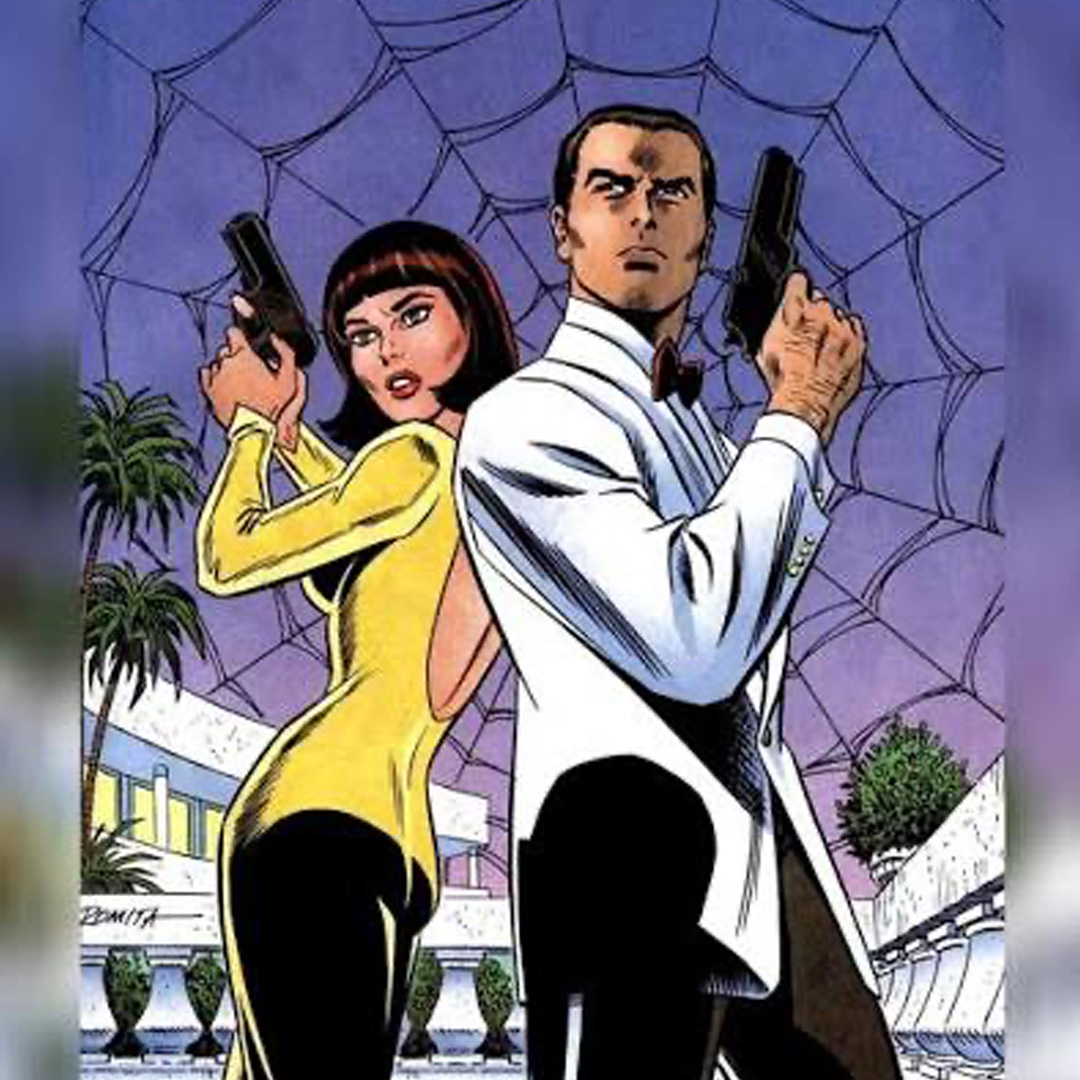
Richard and Mary Parker were Peter Parker’s biological parents.
For a long time, early Spider-Man stories kept them mostly in the background. Peter was introduced as an orphan being raised by Aunt May and Uncle Ben, and that was the emotional detail that mattered most. He had already lost his parents, and Ben and May became the people who gave him the love, structure, and moral center that shaped Spider-Man.
Later comics filled in the missing pieces.
Richard Parker was developed as a decorated soldier and intelligence operative. Mary Parker was also involved in covert work, often described as a capable agent in her own right rather than simply Peter’s mother. Together, they became part of Marvel’s wider spy world, with stories connecting them to the CIA, Nick Fury, and S.H.I.E.L.D.-adjacent missions.
That shift made their deaths more than family tragedy. Richard and Mary were people living double lives, caught in the kind of secret conflict most of Peter’s everyday world would never see.
How Did Spider-Man’s Parents Die in the Comics?
In mainstream Marvel Comics continuity, the key story comes from The Amazing Spider-Man Annual #5.
That issue reveals that Richard and Mary Parker were working undercover when they infiltrated the organization of Albert Malik, the Communist Red Skull. Their mission took them to Algeria, where their cover was eventually exposed.
The Red Skull’s agents forced the Parkers onto a plane that had been sabotaged. The crash killed them, and their enemies framed them as traitors afterward.
For Peter, that final detail matters. He did not simply learn that his parents had died. He learned that their names had been stained after their deaths. When he later uncovered the truth, clearing Richard and Mary’s names became part of reclaiming his own family history.
That is why the comics answer is more complicated than “they died in a plane crash.” The crash was the method, but the cause was sabotage tied to espionage. Richard and Mary were murdered because of a mission, then blamed by the people who wanted their work buried.
How Did Spider-Man’s Parents Die in Other Versions?
The classic comics answer is the Red Skull and the sabotaged plane, but Spider-Man stories have retold Richard and Mary Parker’s deaths in different ways.
In Ultimate Spider-Man, their deaths are tied more closely to corporate science and Richard Parker’s work involving the Venom project. That version moves the story away from Cold War-style spy fiction and closer to biotech, corporate secrets, and experimental research.
In The Amazing Spider-Man films starring Andrew Garfield, Richard and Mary Parker are connected to Oscorp. Their deaths happen during a plane crash after they flee with important research, making their disappearance part of the mystery Peter spends the films trying to understand.
The MCU live-action Spider-Man films take a different path. Peter is still understood as an orphan raised by May, but Richard and Mary’s deaths are not explored on screen in the same way. Those films focus more on Peter’s relationship with May, Tony Stark, and the consequences of his own choices as Spider-Man.
That is why the answer depends on the version. Comics, animation, and film all use Peter’s parents differently. The main thread stays the same: Peter grows up with absence in his life, and that loss helps shape the kind of hero he becomes.
What Does S.H.I.E.L.D. Stand For?
S.H.I.E.L.D. is Marvel’s famous intelligence agency, often connected to Nick Fury, global threats, secret missions, and superhero-level security.
The acronym has changed over time. In older Marvel Comics, S.H.I.E.L.D. originally stood for Supreme Headquarters, International Espionage and Law-Enforcement Division. Later versions used the Strategic Hazard Intervention Espionage Logistics Directorate. In the MCU, it is most commonly known as Strategic Homeland Intervention, Enforcement and Logistics Division.
So, what does S.H.I.E.L.D. stand for? The safest answer is that it depends on the era and continuity.
For Richard and Mary Parker’s story, the exact acronym matters less than the world it represents. S.H.I.E.L.D. is part of Marvel’s spy network, the side of the universe filled with classified files, covert missions, double agents, and threats hidden behind normal life.
That is what makes the Parker family backstory so interesting. Peter Parker is usually the hero worrying about rent, school, work, relationships, and neighborhood crime. His parents came from a much more secretive corner of Marvel history.
Peter is still the kid from Queens, but every now and then his family history pulls him into a much bigger Marvel spy story.
Why Richard and Mary Parker Still Matter
Richard and Mary Parker matter because their story adds another layer to Peter Parker’s loss.
Uncle Ben’s death is still the defining tragedy of Spider-Man. That is the moment that teaches Peter how much responsibility comes with power. But Richard and Mary’s deaths sit underneath that. They are part of the reason Peter’s life begins with absence, family mystery, and a deep attachment to the people who remain.
The spy angle also gives their story a different flavor. Peter eventually learns that his parents were not simply gone. They had been brave, secretive, and caught in a dangerous world. They were killed because of a mission, then framed by the people who wanted to erase what they had done.
That makes their story feel personal and mythic at the same time. Peter is still the kid from Queens, but his family history reaches into the same shadowy Marvel world as Nick Fury, S.H.I.E.L.D., and the Red Skull.
For Spider-Man fans, that is part of the appeal. The character can swing between street-level problems and massive Marvel history without losing what makes him human.

Spider-Man Collectibles and Comics on VeVe
For fans who want to explore more of Spider-Man’s comic history, VeVe offers officially licensed Spider-Man digital collectibles and Marvel digital comics.
Collectors can discover limited-edition Spider-Man releases, display digital collectibles in augmented reality, build virtual showrooms, and collect digital comics that highlight different eras of Marvel history. Some Spider-Man collectibles also include animation, bringing extra movement and personality to a character already known for motion.
That makes VeVe a natural space for Spider-Man fans. Whether you are interested in classic comics, major storylines, character variants, or display-focused digital collectibles, sign up for VeVe today to start building your Spider-Man collection.